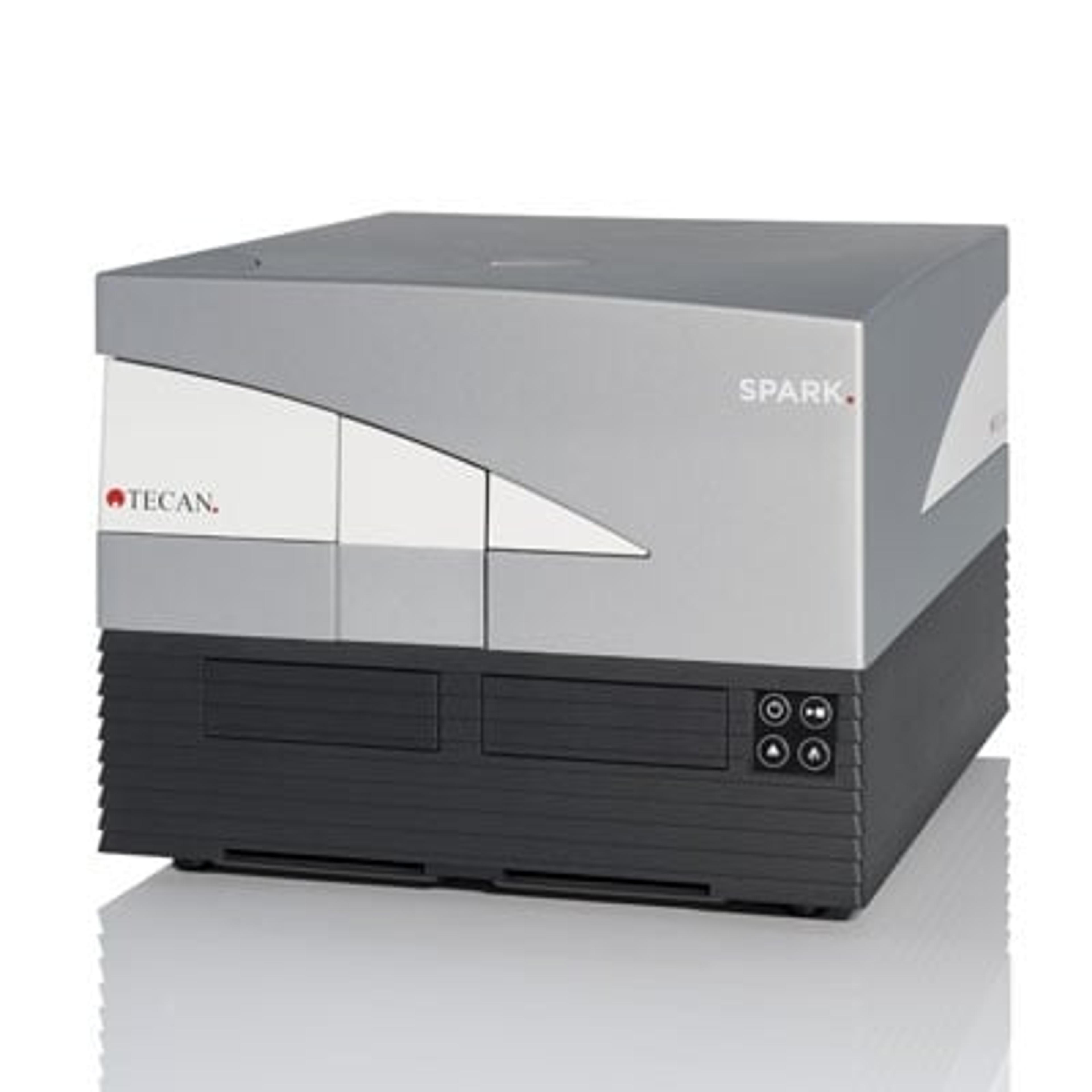
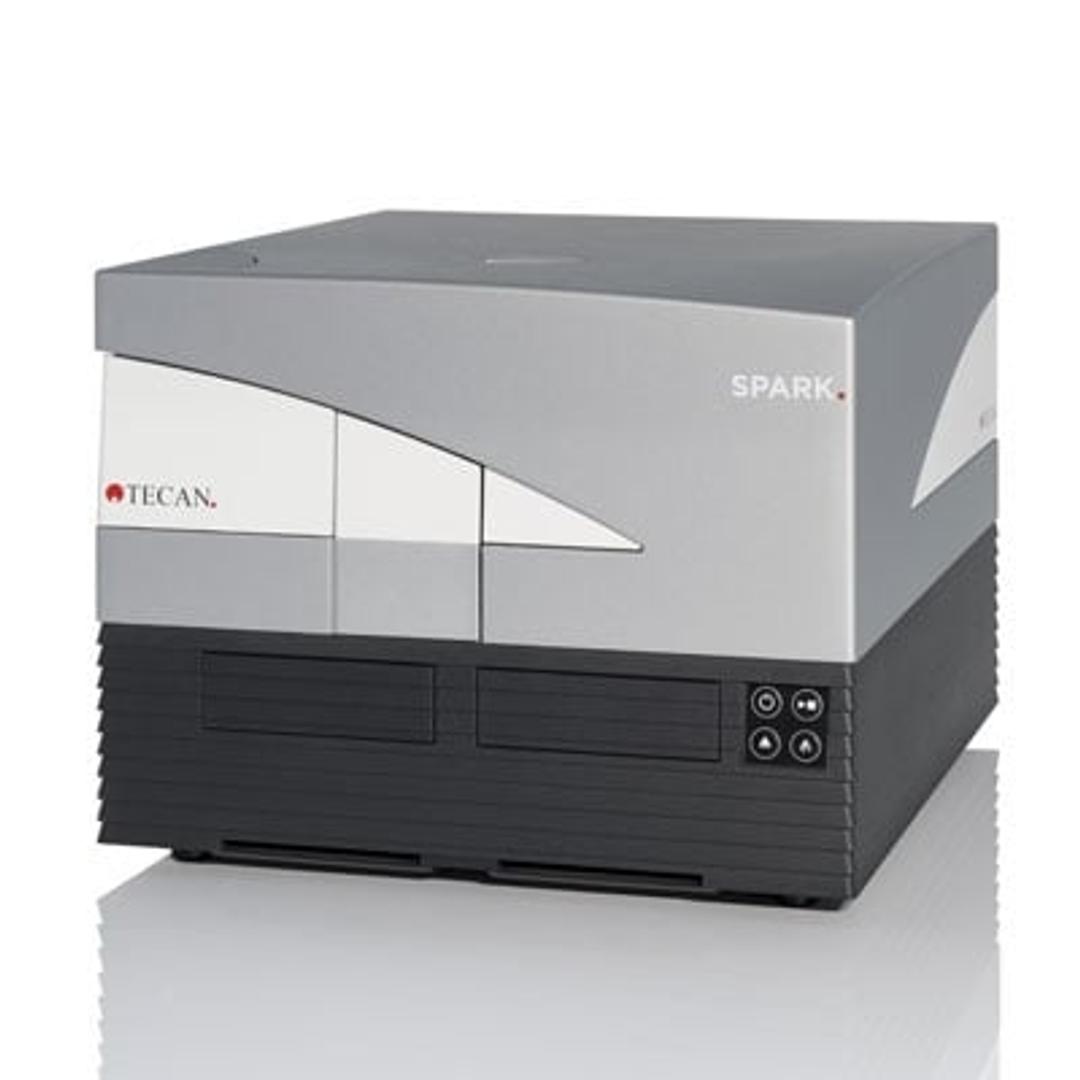
Spark® Multimode Microplate Reader
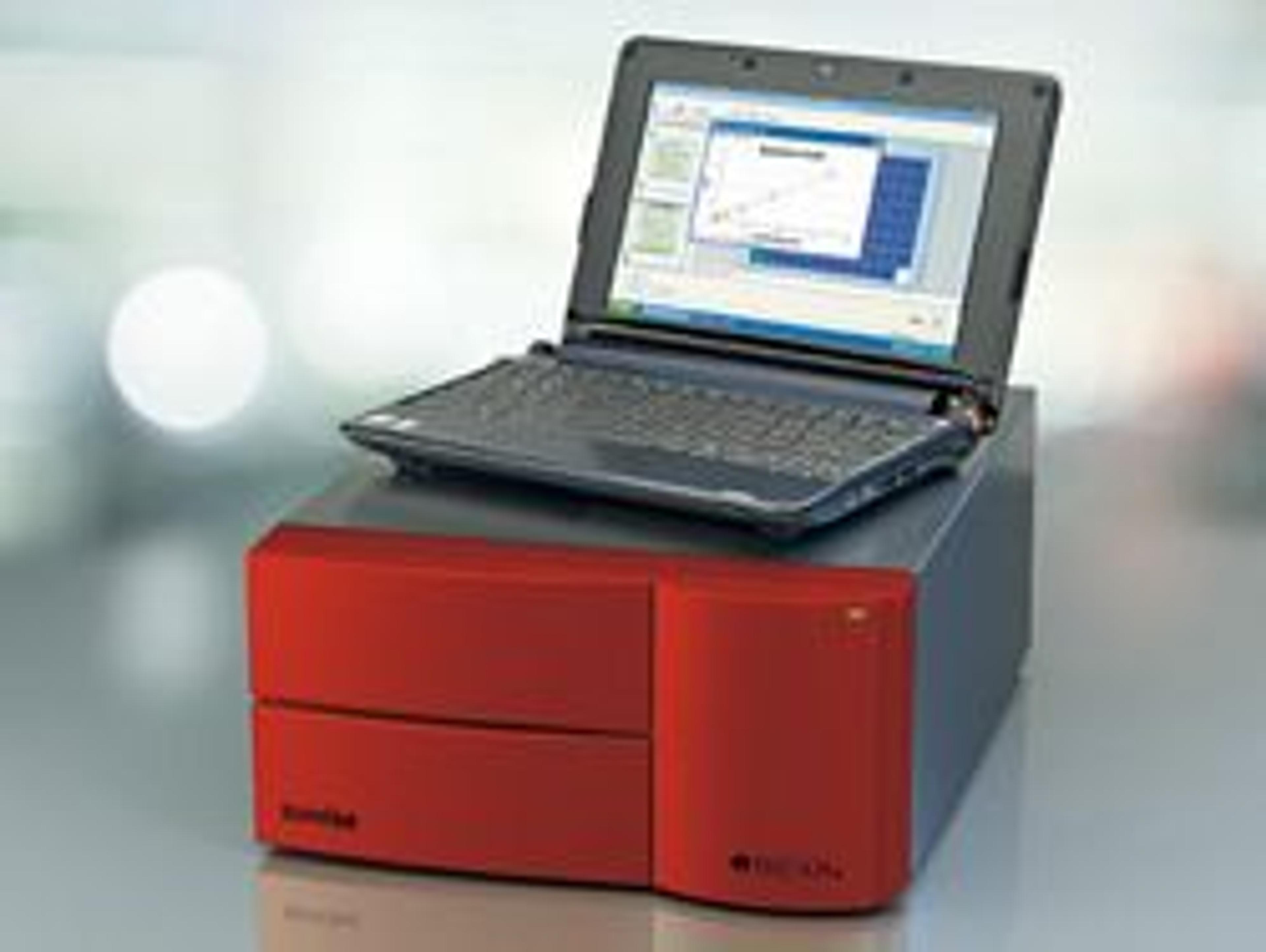
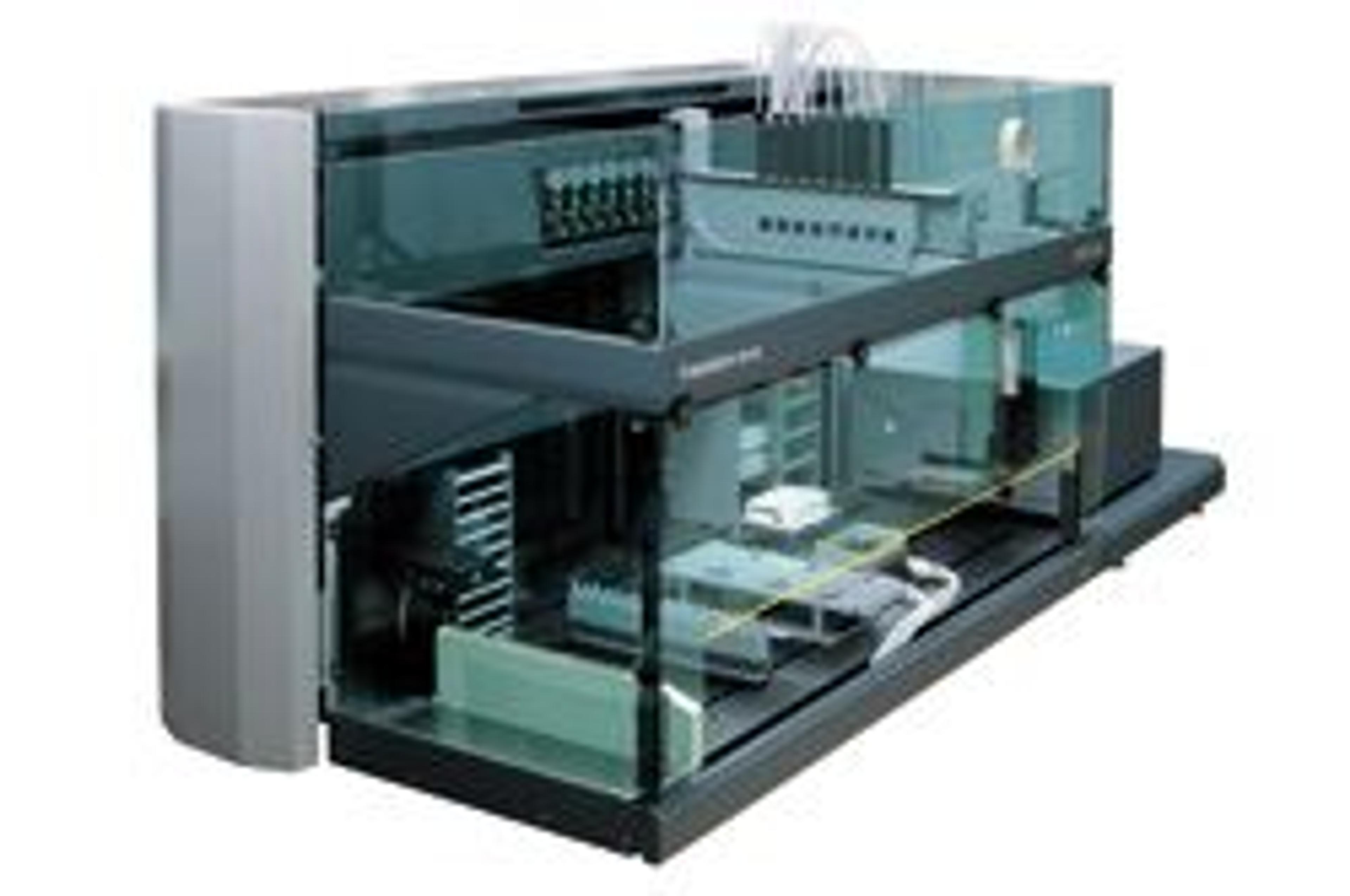
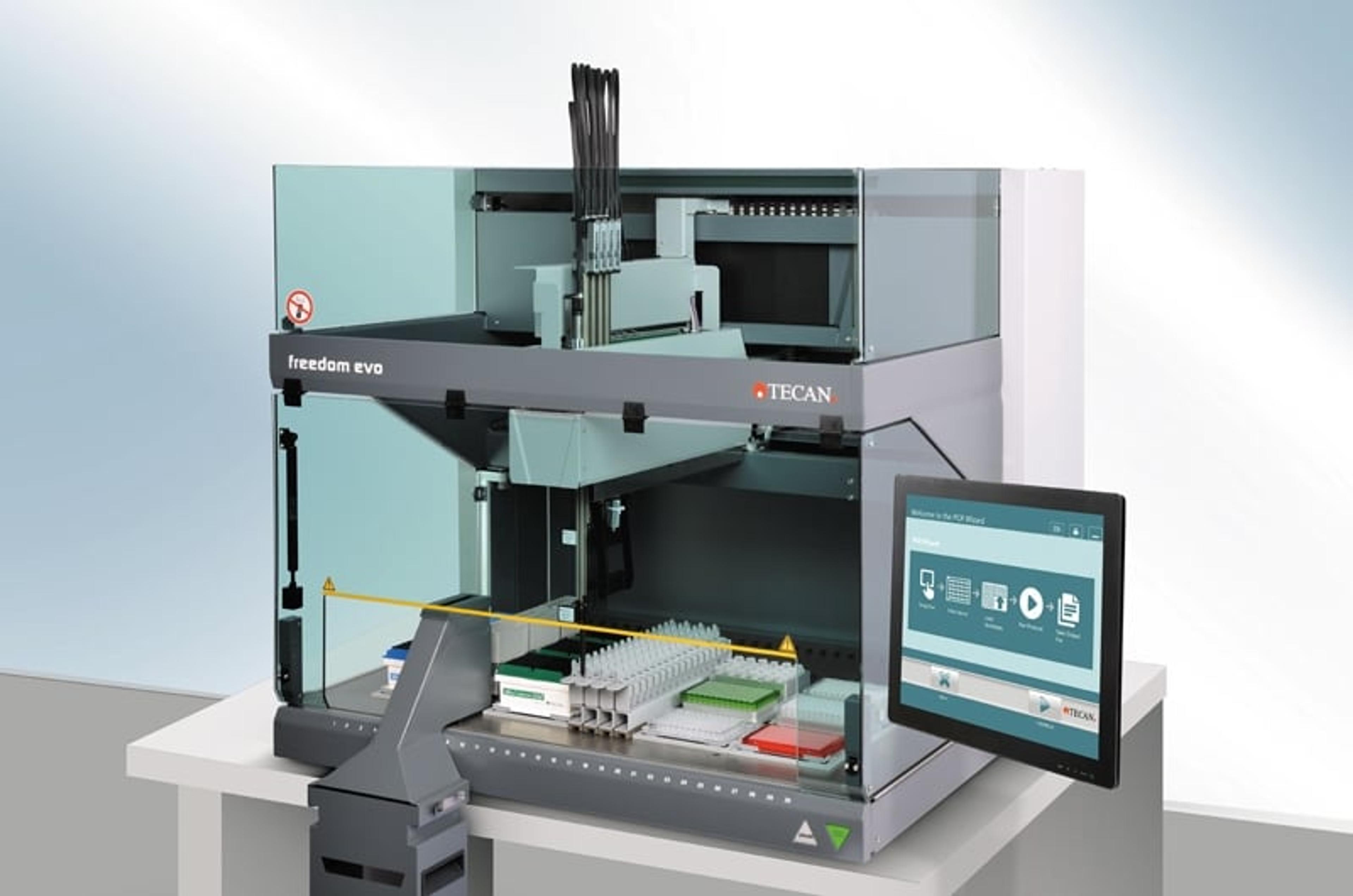
Increase your productivity for advanced research and drug discovery with Spark, the first multimode microplate reader with integrated cooling.










Receive your quote directly from the manufacturer.
Wonderful instrument
Protein, nucleic acid, cell culture
I love the versatility of this instrument. The cell culture capabilities and spectrophotometer measurements are easy to set up and use.
Review Date: 8 Jul 2025 | Tecan
Not for bacterial cell counting, great for everything else!
Fluorometric DNA Concentration, bacterial enumeration, metabolic assay
We had originally hoped to use this for bacterial enumerations but our cells were too small to work well for this application. Instead, we've used it for metabolite assays and for Quant-It dsDNA quantification. The software is easy to use and it's easy to create new methods as needed. I love being able to use plates for DNA quantification rather than individual tubes in a fluorometer. Overall, the instrument works great. It's just unfortunate that we can't use it for cell counting.
Review Date: 7 Dec 2023 | Tecan
Tecan Spark is the plate reader of choice for luminescence- and BRET-based assays.
Analysis of small molecule-receptor engagement and intracellular signaling
The Tecan Spark multimode plate reader provides high quality data for various luminescence and BRET-based assays. Compared to other plate readers in the same price range, the Spark appears to have the highest sensitivity for photon detection, which is a tremendous advantage when using less bright luciferases such as firefly, click beetle or Renilla luciferase. With very bright emitters such as nano-luciferase, the system quickly reaches the upper detection limit and the assay parameters (substrate concentration, transfection amount) must be adjusted, which can save reagents in the long run. Overall, the results are of very good quality and reproducible. The control of the plate reader is intuitive, but the interface could be improved by making the error messages more understandable. The company's after-sales service is good and responses are fast.
Review Date: 1 Sept 2023 | Tecan
Tecan journal 2017
Anisotropy and bacteria growth
Easy to use growth bacteria with te-cool system.
Review Date: 27 Mar 2023 | Tecan
Always trustworthy results, useful in other applications too
Protein Estimation
For most of the time i load protein in SDS page gel depending upon the estimation by BCA, assessed by Tecan Spark and i always gets almost same intensity of control band
Review Date: 30 Jul 2022 | Tecan
A must to have equipment in the lab
Fluorescence polarization, Kinetics
Easy to use and can achieve high quality and reproducible results.
Review Date: 8 Feb 2022 | Tecan
Can't live without it.
DNA or RNA quantification, protein quantification, enzyme assay, cell viability assay, UV-Vis...
It's a multimode microplate reader which means you can do various experiments with it. Many kinds of 96-well plates can be used but NanoQuant plates are especially useful when you measure fluorescence intensity with small volumes of 2 uL. You can also make methods for automated enzyme assays. Here's what I usually do with it: Bradford assay for protein quantification, small volume DNA or RNA quantification with NanoQuant plate, quantification of fluorescence-labeled small molecule, WST-1 assay (cytotoxicity assay, enzyme assays.
Review Date: 13 Jun 2020 | Tecan
it is handy to have in the lab.
Plate reading for ELISA and various assays, cell confluency measurement and recording
The plate reader is easy to use and straight forward. Support usually come in pretty fast too.
Review Date: 28 Jan 2020 | Tecan
Great for protein assays
Protein aggregation kinetics and protein phase separation
I have used the Tecan Spark plate reader for one year now. It is a very robust, easy-to-use instrument. When it comes to protein aggregation kinetics, life becomes so much easier with this instrument, without worrying about reproducibility. Plus, we can monitor continuously, even at physiological temperature.
Review Date: 17 Dec 2019 | Tecan
Very reliable results.
AlphaLISA
Very easy to use, very reliable results.
Review Date: 14 Feb 2019 | Tecan
Increase your productivity for advanced research and drug discovery with Spark, the first multimode microplate reader with integrated cooling. This freely configurable system gives researchers access to new techniques and features designed to enhance and streamline biochemical and cell-based workflows.
The Spark multimode microplate reader provides tailor-made solutions to suit virtually any drug discovery or advanced life sciences research application. Developed with cell-based assays in mind, it offers a host of software and hardware features, including a unique Te-Cool™ cooling module that delivers total temperature control, even below ambient.
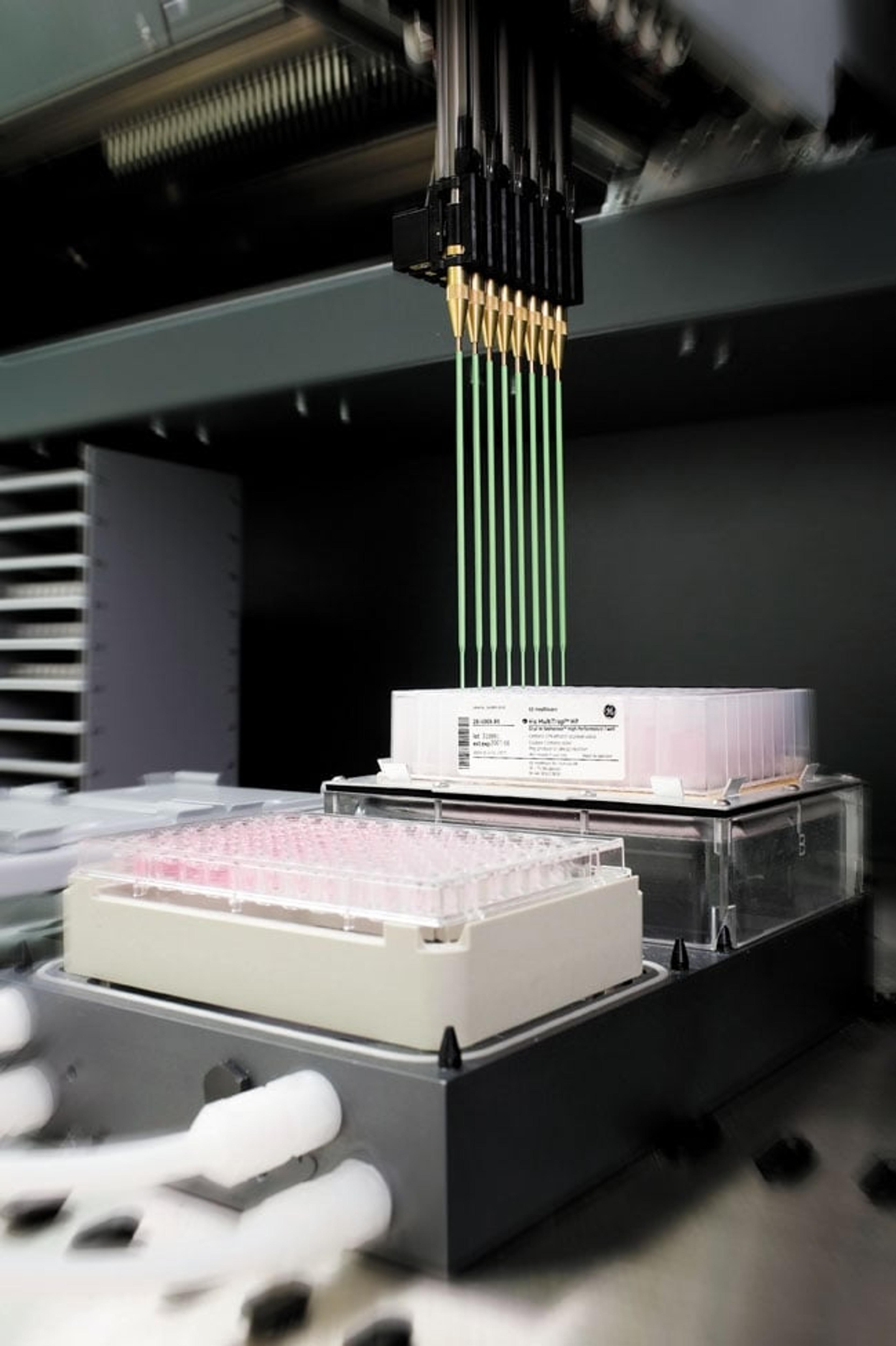
At the heart of the instrument are Spark’s unique Fusion Optics, which combine the flexibility of monochromators with the sensitivity of filters. Designed to improve sensitivity and increase throughput, this set-up allows on-the-fly measurements, increasing productivity without compromising on data quality. This option features the latest generation QuadX Monochromators™ and dichroic mirrors which, combined with variable bandwidth selection and full wavelength flexibility, provide exceptional measurement performance and speed. This is complemented by a patent-pending High Speed Monochromator, which allows complete absorbance scans – from 200 to 1,000 nm – in under five seconds; the speed of a diode array is combined with the precision and flexibility of a monochromator, offering wide-ranging and detailed spectra with unsurpassed wavelength accuracy for rapid DNA and protein quantification.
Reliable results are dependent on a stable temperature. For most readers, the specified minimum temperature inside the measurement chamber is defined as a few degrees above ambient. This can vary significantly depending on the time of year and location, affecting your results. Temperature gradients can also occur across a microplate with many readers, leading to poor precision and variability. Spark’s innovative Te-Cool cooling module provides complete temperature control between 18 and 42 °C allowing you to maintain your specified temperature for long periods of time, for accurate and reliable results.
The Te-Cool cooling module complements Spark’s range of advanced features – including precise regulation of environmental conditions, built-in cell counting and viability assessment, and automated imaging and confluence measurements – designed to simplify your protocols and enable long-term, walkaway experiments. Productivity and reproducibility are further improved by the addition of a patented Humidity Cassette to provide evaporation protection for any SLAS-format microplate, with automated lid handling to precisely balance gas exchange and minimize the risk of contamination. These new options – combined with the ability to read up to 1,536-well microplates – ensure there is a Spark configuration to increase the productivity of your lab, both today and in the future.
The Spark multimode microplate reader offers walkaway:
- reagent dispensing
- temperature control, including the Te-Cool cooling module
- fluorescence
- fluorescence resonance energy transfer (FRET)
- time-resolved fluorescence (TRF)
- fluorescence polarization (FP)
- absorbance
- DNA/protein quantification
- luminescence (flash and glow)
- luminescence scanning
- multicolor luminescence
- cell counting
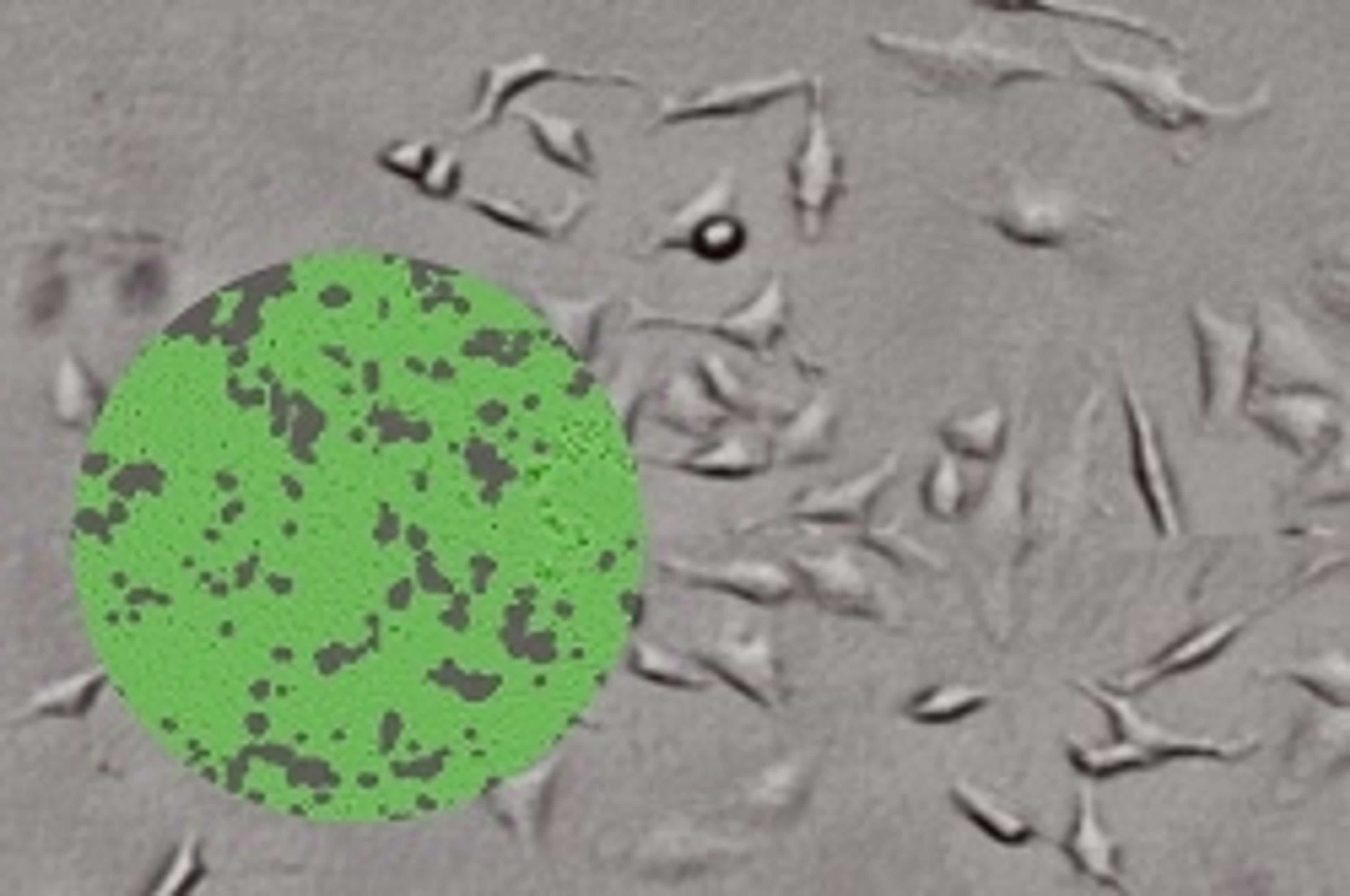
- live-cell imaging and in-well confluence assessment
- cell incubation
Spark is for Research Use Only. Not for use in diagnostic procedures.
Brochures
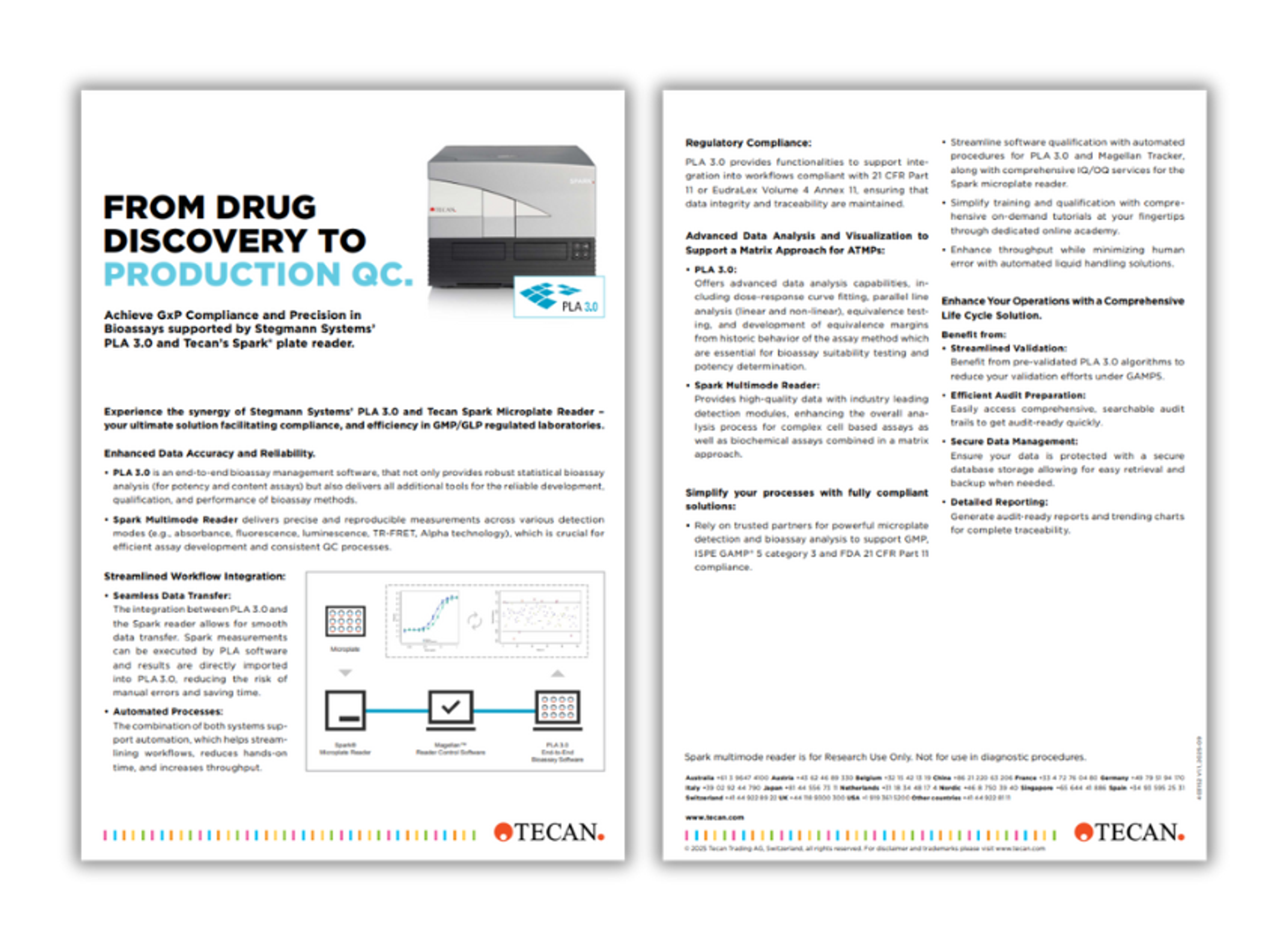
Achieve GxP compliance and precision in bioassays with Stegmann Systems’ PLA 3.0 and Tecan’s Spark plate reader
Simplify and optimize your bioassay workflows with the integrated power of Stegmann Systems’ PLA 3.0 and Tecan’s Spark® microplate reader. Delivering precision, compliance, and efficiency from early drug discovery to production quality control, this powerful combination ensures robust data integrity, automated analysis, and faster throughput in regulated environments.

Assessing drug response in patient-derived colon organoids
Explore how the Spark Cyto multimode plate reader, equipped with a deep learning-based 3Dai algorithm, enhances automated imaging and patient-derived organoids (PDOs) analysis for efficient drug screening and cytotoxicity evaluation, streamlining personalized medicine and drug development.
Label-free protein quantification with 280 nm absorbance measurements
In this application note, Tecan describes a method to quantify proteins in low volumes using the Spark Multimode Reader and the NanoQuant Plate, with UV absorbance measurements at 280 nm. Tecan explains the benefits and limitations of different protein quantification methods and highlights the advantages of using the method. The note also includes step-by-step procedures for using the method and presents performance evaluation results, including detection limit and measurement uniformity.
Multiplex analysis of Predictive Oncology's 3D tumor models using Tecan's Spark Cyto imaging multimode reader
In this application note, Tecan highlights the use of its Spark® Cyto reader as a powerful instrument for analyzing 3D cell cultures in drug development and cancer research. The organ-specific extracellular matrix developed by Predictive Oncology is utilized to enable in vivo representative testing, which leads to improved accuracy in predicting a tumor's response to drugs, optimization of candidate screening, enhanced evaluation of off-target toxicity, and biomarker discovery. The note includes four independent studies that demonstrate the Spark Cyto reader's suitability for high-throughput 3D cell culture studies, delivering maximum data output and information content.
Top tips for addressing the “reproducibility crisis” in cell biology research
The dangers of irreproducibility are becoming increasingly well-recognized. However, irreproducible results can be caused by a number of different factors, from the methods and instrumentation used to the level of expertise within the lab. The current “reproducibility crisis” is therefore a daunting task for scientists to start to address. This resource outlines expert tips for overcoming the top three challenges highlighted by those working in cell biology.
In this infographic, we outline how to overcome the top three challenges with cell biology, as highlighted by scientists:
Complex analytical workflows
Combining multiple methods
Laborious experimental practices
For further information, visit our content hub full of free resources exploring the one-stop solution designed to mitigate the risk of irreproducibility.
Real-Time Image Cytometry in a Plate Reader
In this application note, Tecan reviews some of the new opportunities available in live-cell imaging and cytometry. This application note covers why live-cell analysis is so important, what challenges there are currently, and what the future for live-cell analysis looks like.
Walk-away monitoring of cytotoxicity, viability and apoptosis
In this application note, Tecan describes a method for kinetic monitoring of cytotoxicity and viability, using three Promega assays for viability, cytotoxicity and apoptosis assessment and Tecan’s Spark® multimode reader (equipped with an enhanced fluorescence module) platform.
Looking at the bigger picture: Getting the most out of cell-based assays
In this application note, Tecan demonstrates how you can get the most out of cell-based assays with the optimal read function for fluorescence bottom measurements.
Demystifying the black box: The multimode plate reader in the spotlight
Plate readers have been an integral part of life science laboratories for many decades, but how they operate, and the full extent of their capabilities can remain shrouded. In this poster, Tecan demonstrates how the modern multimode plate reader is a versatile instrument that goes well beyond the sum of its part.
Optimizing bacterial growth studies
This application note demonstrates the Spark® Multimode Reader’s suitability for the generation of growth curves in the commonly used 24- and 96-well plate formats for three different, well-established bacterial strains: E. coli, L. innocua, and S. capitis.
Implementation of NanoBRET assay technology in the Spark multimode reader
In this application note, Tecan summarizes the results of a series of tests performed with the Spark reader and the NanoBRET assays technology, using the NanoBRET™ Target Engagement Intracellular HDAC Assay.

Potency assay development for advanced therapy medicinal products
May 21, 2025 - 16:00 BST / 17:00 CEST / 11:00 EDT / 08:00 PDT
Potency testing for advanced therapy medicinal products (ATMPs) is both a Current Good Manufacturing Practice (cGMP) requirement and a challenge. Often the mechanism of action (MoA) is very complex and may not be fully understood or the reflection with in vivo fate is difficult to demonstrate.
By taking a matrix approach, various aspects of product characteristics can be assessed. Transcriptional, translational, and functional levels can be covered, and, various potential MoAs can also be addressed.
In this SelectScience® webinar, Dr. Sascha Karassek, R&D Scientist at Charles River Laboratories Germany GmbH, will share top tips for overcoming the challenges of designing a potency assay development strategy for ATMPs. Brief case studies on bioactivity determination for ATMPs using the matrix approach will also be presented.
Key learning objectives:
- Understand the requirements for cell-based relative potency assays
- Learn how to take the matrix approach for ATMPs
- Gain tips to overcome challenges associated with potency testing of ATMPs
Who should attend?
- Scientists working with cell-based potency assays related to ATMPs or CGTs
- QA/QC professionals working in a GMP environment
Certificate of attendance
All webinar participants can request a certificate of attendance, including a learning outcomes summary, for continuing education purposes.
If you view the on-demand webinar, you can request a certificate of attendance by emailing editor@selectscience.net.
From drug discovery to production QC: Mastering bioassays with PLA 3.0 and Spark multimode reader
Join Dr. Ralf Stegmann, Founder and CEO of Stegmann Systems, and Dr. Christian Oberdanner, senior application specialist at Tecan Detection, as they discuss the challenges of bioassays and explore how the Spark® multimode reader and PLA 3.0 software can be used to address analysis and key assay and compliance requirements. Discover how the Spark® multimode reader and PLA 3.0 can be combined to set up a seamless workflow in your lab for drug discovery and production QC.
Integrating laboratory automation into microbiology, genomics & drug discovery workflows for improving animal & human health
Antimicrobial resistance (AMR) is an increasing, global concern, with resistant bacteria moving rampantly across the food chain, affecting humans, livestock, and the wider environment. With growing resistance and fewer drugs making it to market, surveillance of AMR is critical to reducing its impact.
In this presentation, Prof. Sam Abraham, Professor of Microbiology and Founder & Director of the Amrid Laboratory at Murdoch University, outlines how his team is advancing AMR surveillance and drug susceptibility testing through robotic multiplatform integration, providing the scalability required to monitor this in a rapid, reliable, affordable, and adaptable way.
This talk was presented, in partnership with Tecan, at SLAS2023.
Never miss a critical biological event with improved whole-well imaging
In this video, Tecan provides insight into how to improve the robustness of your live-cell assays to address and overcome some specific causes of problems with reproducibility. Plus, find out how you can benefit from a new approach to unite qualitative and quantitative information into unique multi-parameter data sets faster than ever before.
Real-time, live-cell kinetic imagery and analysis for drug discovery
In this video you can find an overview of Promega's approach to drug discovery analysis, using real-time, live-cell kinetic imagery.
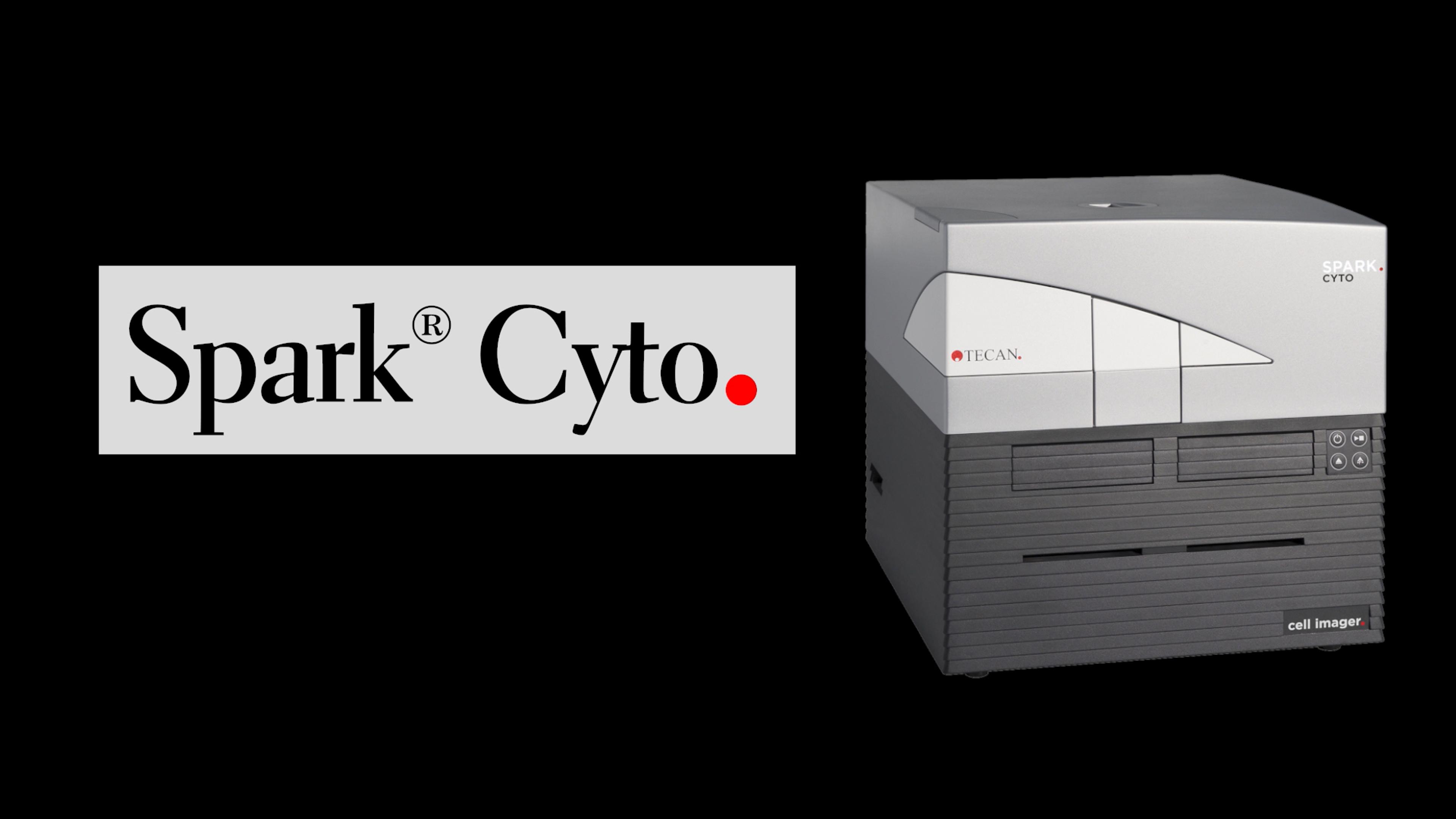
Introducing Spark<sup>®</sup> Cyto
Watch this video to see the product reveal, outlining the applications and benefits, of the Spark® Cyto by Tecan.
New opportunities in systems pharmacology: How to utilize metabolomics for cancer research
In this SelectScience webinar, Dr. Mattia Zampieri discusses the utilization of metabolomics in cancer research, and the new opportunities it can bring to systems pharmacology.
Real-Time Cytometry with Tecan
In this video, learn more about Spark® Cyto from Tecan, the first live-cell imaging microplate reader to offer real-time cytometry to generate robust multi-parameter data quickly and easily.
Learn more about how to win this exciting new instrument for your lab >>
Join Tecan for the launch of the Spark® Cyto at SLAS Europe 2019, in Barcelona, Spain, June 26-28, booth - Island 3.
Using SparkControl™ for Live Cell Imaging
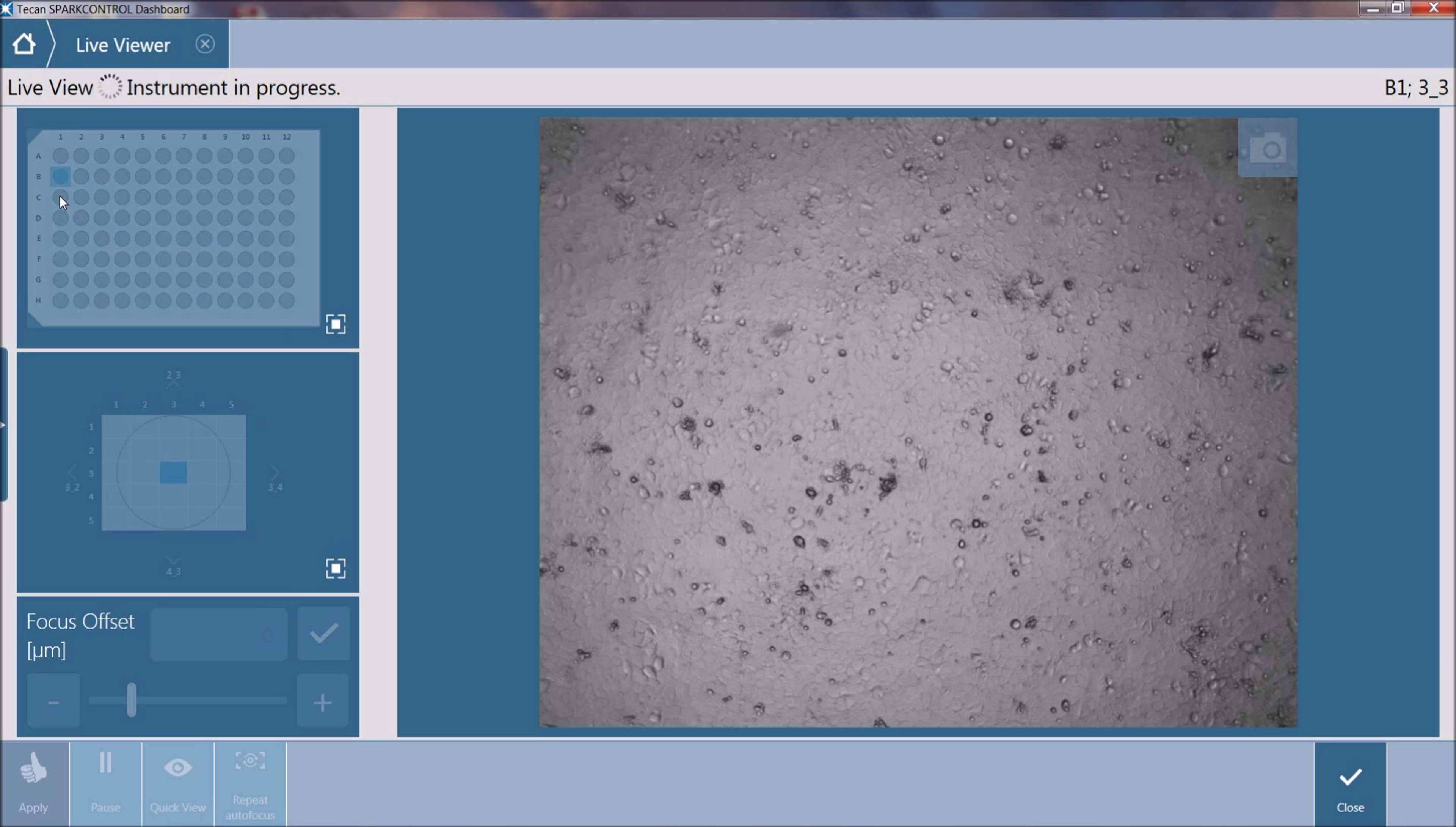
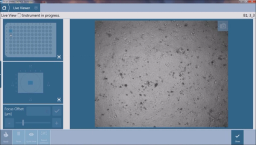
SparkControl™ turns your microplate reader into an automated microscope at the touch of button. Live Viewer allows you to instantly image and photograph defined positions in a Cell Chip™ or microplate well. It offers brightfield microscope-like functionality with 4x magnification and a user-definable focus, giving you another way to perform fast and easy quality control of your cells.
Visualizing Wound Healing using the Spark<sup>®</sup> 20M Multimode Microplate Reader
Watch this video to see how cell migration aids in wound healing, imaged using Tecan’s Spark® 20M Multimode Microplate Reader. Cell migration plays a pivotal role in numerous physiological and pathophysiological processes such as development and tissue repair. The Spark 20M reader offers automated live cell imaging to enable monitoring of growth and health of cells.
To find out more, register for our free webinar: Increased Confidence of Wound Healing Assays by Assessing Cell Migration and Cell Viability
This webinar describes the application of the Spark® multimode reader imaging capabilities for the monitoring of cell migration in the context of wound healing, using the Radius™ 96-well Cell Migration Assay as a test system. Furthermore, learn how the correlation between cellular confluence and intracellular ATP content is used as an indicator of cell viability and metabolism.

Matrix approach enhances potency assay development for ATMPs
Scientists at Charles River Laboratories share top tips for overcoming the challenges of designing a potency assay development strategy for advanced therapy medicinal products

Drug Discovery & Development Scientists’ Choice Award 2025 winners announced
Agilent, Tecan, and Cytiva among those recognized

Our first Seal of Quality recipients of 2024
Discover which products have earned a coveted Seal of Quality award
‘Honest and genuine reviews are a must to consider the pros and cons of any instrument’
Virender Singh shares his work, his average day, and favorite piece of laboratory equipment

Cell-Based Assays: Trending Technology this Month
From lightning-fast labeling technology to real-time cytometry and high-throughput protein interaction analysis, find out what technologies are making the headlines in life sciences this month


Science on a Ship: Diverse Microbes of the Deep, Dark Oceans
Read how Dr Jason Sylvan samples microbes from the depths of the ocean and performs experiments on a ship
Identify Biomarkers for Earlier Diagnosis of Pancreatic Cancer
Elucidating the roles of cancer associated fibroblasts in modulating the tumor microenvironment

Better Understanding of Scaffold Proteins and Their Therapeutic Potential
Modulation of cell signaling pathways offers an exciting avenue in the treatment of disease but first we need to learn the basics